 15
price not specified
for saleFamily house for sale, Rekreačná cesta, Nová Baňa, Slovakia
family house
5+ rooms
ground floor
- country:
- Slovakia
- town:
- Nová Baňa
- road:
- Rekreačná cesta
- condition:
- original condition
- ownership:
- undefined
- price:
- price not specified
- status:
- available
- id:
- 41358
- updated:
- 3 months ago
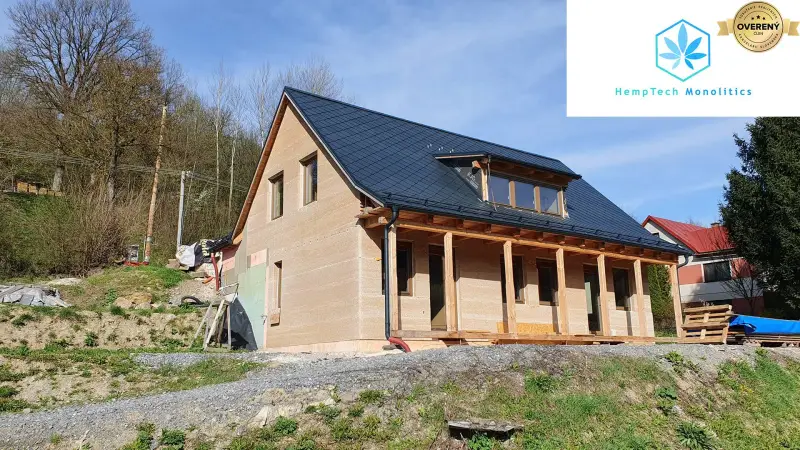
Hemp house grown in Slovakia.
The hemp house is a building made of ecological material, which is HLC (also known as hemp concrete). This material is made from industrial hemp, lime, mineral components, and water. Hemp houses are becoming increasingly popular due to their sustainable and ecological properties even in Slovakia.
-
The idea of a modern hemp-based material was born in the mid-1980s in France.
-
HLC (hemp concrete) - Forget about concrete! In fact, it is a hemp-lime composite and contains not a grain of sand or cement. The purpose of this material is also completely different from traditional concrete. It is not used for the construction of load-bearing elements, foundation slabs, or retaining walls. It serves as a filling material, most often for wooden load-bearing structures, for thermal insulation and creating a healthy environment inside the building, while its impact on the environment is minimal.
-
1 ha of hemp stores approximately 15 tons of CO2 in the soil and the plant's body during its growth. This compensates for the carbon footprint of the material, which ultimately reaches negative values. Traditional building materials, such as cement and bricks, have much higher emissions during production.
A high phase shift parameter maintains a long-term stable temperature in the interior. The combination of thermal resistance and high thermal capacity prevents overheating in summer and heat loss in winter.
The temperature of the inner wall surface remains constant and approximately the same as the room temperature. This eliminates the "cold wall effect," which would cause discomfort or lead to overheating.
HLC continuously retains excess moisture or compensates for moisture deficiency within the structure. It absorbs 95% of the differences in relative humidity. It maintains an optimal air humidity level of 50-55%.
HLC does not contain any controversial chemicals. Construction waste can be composted. The hemp house supports a clean and healthy indoor environment, which may be suitable for allergy sufferers or people with respiratory problems. Traditional building materials may contain chemicals and release harmful substances into the air.
-
Properties of the hemp house:
• Thermal insulation: Hemp concrete is an excellent insulating material that regulates indoor temperature. In summer, it keeps the house cool and warm in winter.
• Vapor permeability: Hemp allows the house to "breathe," meaning moisture is naturally expelled, reducing the risk of mold and condensation.
• Pest resistance: The material is naturally resistant to insects, rodents, and other pests.
• Low weight: Hemp concrete is much lighter than traditional concrete, making it easier to handle during construction and reducing the load on foundations.
• Ecological sustainability: Hemp plants grow quickly and absorb large amounts of carbon dioxide, contributing to reducing the carbon footprint. Hemp is a renewable resource and is grown without the need for large amounts of chemicals.
-
Positives (advantages) of the hemp house:
1. Ecological construction: The hemp house has a minimal negative impact on the environment because the material is natural, renewable, and recyclable.
2. Energy efficiency: Due to its excellent insulating properties, the hemp house can significantly reduce heating and cooling costs.
3. Healthy indoor environment: Hemp concrete creates a pleasant indoor climate, regulates humidity, and promotes healthy living without allergens or toxins.
4. Long lifespan: With proper care, a hemp house can last for many decades without significant wear.
5. Fire and mold resistant: Hemp concrete is resistant to mold and rot, and although it is organic, it also has good fire resistance.
6. Rapid resource renewal: Hemp grows very quickly (in 3-4 months), making it an efficient and sustainable building material.
-
Negatives (disadvantages) of the hemp house:
1. Higher initial costs: Building materials and technology are still relatively new on the market, which can lead to higher construction costs compared to traditional materials. However, based on our own research, we have managed to reduce material costs by almost half compared to foreign solutions.
2. Availability of material: Hemp concrete is not widely available in every country, which may limit supplier selection options or increase transportation costs. However, from 2024, this material will be locally available in Slovakia, thanks to the activities of SLOVAK HEMP COOPERATIVE, which launched the first decortication line for processing hemp in Slovakia.
3. Limited structural use: Although hemp concrete is excellent for insulation, it is not a load-bearing material. Therefore, a load-bearing frame (made of wood, steel, or other materials) must be used for the construction of the house.
4. Maintenance of lime plasters: Lime plasters, which are part of the hemp house, may require more regular maintenance and inspection than traditional building materials.
Hemp houses thus represent an ecological and healthy alternative to traditional building solutions, but with several challenges to consider, especially in terms of costs and material availability.
www.konopnybeton.sk